The Future of Sustainability in LEGO – Building a Greener Tomorrow
Published: 1 year ago
Last Updated: 7 months ago
In an era where environmental responsibility is more than a trend, LEGO® is reinventing its future through sustainability. This article explores how the iconic brick maker is paving the way for eco-friendly innovation, transforming both its manufacturing process and the collector’s market.
When you think of LEGO, you probably picture vibrant colours, imaginative builds, and a sense of limitless creativity. But behind the playful exterior lies a serious commitment to a greener future. Today, LEGO is embracing sustainability as a core value—a move that not only resonates with modern consumers but is also reshaping the way collectors and investors view these iconic bricks.

A Commitment to Eco-Friendly Materials
In recent years, environmental concerns have become paramount. For decades, most LEGO sets were made from ABS plastic, known for its durability but also its environmental impact. Recognizing the need for change, LEGO has invested billions in research and development to discover sustainable alternatives. The company is now experimenting with bio-based plastics derived from renewable sources, such as sugarcane. This groundbreaking innovation could eventually lead to LEGO bricks that are both durable and environmentally friendly.
Industry experts are excited about the potential of these eco-friendly materials. Not only do they reduce the carbon footprint of every set produced, but they also set the stage for a new kind of collector’s item—one that embodies both creativity and conscience. For collectors, the transition to sustainable materials adds a new layer of desirability, as eco-friendly sets may become prized not only for their design but also for their contribution to a better planet.
Innovative Design Meets Sustainable Manufacturing
The move toward sustainability is not just about materials; it’s about transforming the entire design and production process. LEGO’s research into sustainable manufacturing has led to innovative techniques that minimize waste, reduce energy consumption, and maximize efficiency. Advanced automation and precision engineering ensure that even as the company shifts to greener materials, the quality and performance of LEGO bricks remain uncompromised.

From a design perspective, sustainability is becoming a muse. LEGO designers are now challenged to think creatively about how to incorporate eco-friendly materials without sacrificing the aesthetic appeal that has defined the brand for generations. The result? Sets that are as visually stunning as they are environmentally responsible. This new direction has sparked conversations among fans and collectors, with many excited about the prospect of owning sets that represent a tangible commitment to sustainability.
A Small Step Toward a Greener Future
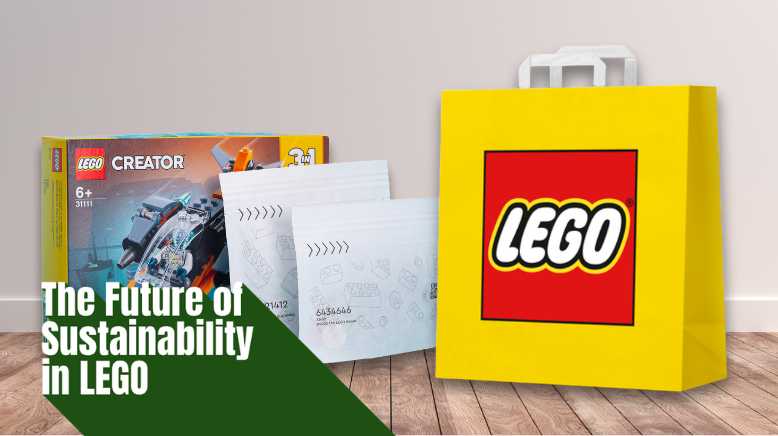
Beyond its commitment to sustainable bricks, LEGO is also rethinking its packaging. The company is gradually replacing plastic bags inside its sets with recyclable paper bags, reducing single-use plastics. This shift extends to smaller gifts-with-purchase, where paper packaging is becoming the new standard. By making these incremental changes, LEGO is reinforcing its environmental commitment at every level of production. These efforts align with consumer demand for more sustainable choices, proving that even the smallest details—like the bags holding LEGO pieces—can contribute to a larger, greener mission.
Market Impact and Collector Sentiment
For the LEGO investing community, sustainability is more than an ethical imperative—it’s a potential game-changer in the collectibles market. Limited edition sets and unique collaborations have always driven value, and now, sustainable sets are poised to capture the imagination of both collectors and investors. As demand for eco-friendly products grows across industries, LEGO’s sustainable sets could see rapid appreciation in value, making them a smart addition to any investment portfolio.

Collectors are increasingly seeking items that tell a story—not just of creative brilliance, but also of corporate responsibility. A LEGO set made with sustainable materials carries an inherent narrative of innovation and progress. Early adopters who invest in these sets may benefit from both aesthetic pleasure and long-term financial gains, as environmental considerations become more central to consumer behaviour.
The Broader Implications for the Toy Industry
LEGO’s sustainability initiative is also setting a benchmark for the entire toy industry. As one of the world’s most recognizable brands, LEGO’s decisions have ripple effects that influence competitors and shape industry standards. Other toy manufacturers are watching closely, with many already exploring similar eco-friendly alternatives. This collective movement toward sustainability promises to transform not only product design but also manufacturing practices on a global scale.
The push for sustainability is more than a business strategy—it’s a cultural shift. Consumers today are more informed and conscientious than ever before, demanding transparency and responsibility from the brands they support. LEGO’s proactive stance is a response to this call, and it reflects a broader commitment to creating a better world for future generations.

Challenges and the Road Ahead
Of course, transitioning to sustainable materials and practices is not without its challenges. The development of bio-based plastics, for instance, involves significant research, testing, and refinement. Ensuring that these new materials meet the high standards of durability and safety that LEGO sets are known for is a complex task. Additionally, scaling up production while maintaining cost-effectiveness remains a major hurdle.
Despite these challenges, LEGO’s track record of innovation gives reason for optimism. The company has repeatedly demonstrated its ability to evolve and adapt, and its commitment to sustainability is no exception. As technology advances and production methods improve, it’s likely that we’ll see more and more LEGO sets made entirely from sustainable materials.
Conclusion
LEGO’s journey toward sustainability is a testament to the brand’s ability to blend creativity with responsibility. By embracing eco-friendly materials and innovative manufacturing processes, LEGO is not only reducing its environmental impact but also creating new opportunities for collectors and investors. As we look to the future, the promise of sustainable LEGO sets represents a confluence of art, science, and ethical progress—a true embodiment of building a greener tomorrow.
In a world where every brick counts, LEGO is proving that even the smallest changes can make a big difference. Whether you’re a dedicated collector, a passionate investor, or simply a fan of imaginative play, the future of sustainability in LEGO is a story worth following.
Author: Priya Shah
With a career in data science and forecasting, Priya brings a methodical mindset to the world of LEGO. She became an AFOL after joining a local LEGO User Group to meet creative people outside of work, and quickly became fascinated by both building and collecting. Her favourite themes include Modular Buildings, City, and Architecture, where she enjoys comparing LEGO’s interpretation of real-world spaces. Priya specialises in trend analysis, using data to understand how themes perform over time.
See Priya's Articles