LEGO Star Trek vs LEGO Star Wars: Two Galaxies Collide
Published: 11 months ago
Last Updated: 7 months ago
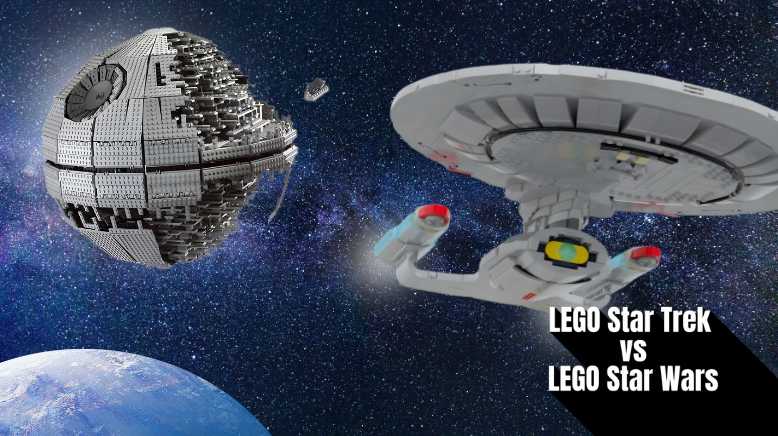
The arrival of LEGO Star Trek marks one of the biggest sci-fi crossovers in LEGO history.
After decades of fan wish-lists, rumours, and endless custom MOCs, the LEGO Star Trek USS Enterprise NCC-1701-D is now set to launch — a 3,600-piece, $399.99 flagship expected to release on 28 November 2025 as a LEGO-exclusive.
For the first time, the Starship Enterprise will stand proudly beside the Millennium Falcon and Death Star on LEGO display shelves.
Beyond the pop-culture moment, this debut raises an intriguing investment question: could LEGO Star Trek follow the same stellar trajectory as LEGO Star Wars — the most successful theme in LEGO’s history?
A Galaxy Built Since 1999

When LEGO secured the Star Wars licence in 1999, it redefined what adult-focused sets could be. The first wave included modest, affordable builds:
- 7101 Lightsaber Duel — $6 RRP → $106 today
- 7110 Landspeeder — $6 → $102
- 7130 Snowspeeder — $20 → $152
- 7140 X-Wing Fighter — $30 → $258
Those early releases demonstrated LEGO’s newfound ability to blend nostalgia, licensing, and collectability. Twenty-five years and ≈ 1,000 sets later, LEGO® Star Wars™ remains LEGO’s longest-running and most expansive theme, with an average annualised growth of 11 % across retired sets.
From Small Sets to Galactic Icons

The rise from six-dollar playsets to multi-thousand-dollar grails tells the LEGO Star Wars investment story in miniature:
| Set | RRP (USD) | Current Value (USD) | Annualised Growth |
|---|---|---|---|
| 10123 Cloud City | $100 | $6,456 | 23% |
| 10018 Darth Maul Bust | $150 | $4,402 | 16% |
| 75012 BARC Speeder with Sidecar | $25 | $433 | 31% |
| 10143 Death Star II | $270 | $2,720 | 14% |
Few themes combine cultural weight, active media support, and long-term scarcity as effectively. The UCS (“Ultimate Collector Series”) line in particular transformed premium display models into some of LEGO’s most consistent long-term gainers.
For investors, the lesson is simple: when LEGO launches the first large-scale set in a blockbuster sci-fi franchise, the opportunity window is narrow — and potentially lucrative.
Star Trek Enters the LEGO Universe
That brings us to the incoming LEGO Star Trek USS Enterprise NCC-1701-D (2025) — the set that finally bridges LEGO with one of television and cinema’s longest-running sci-fi legacies.

Current confirmed and rumoured details include:
- Approx. 3,600 pieces
- $399.99 RRP (UK pricing TBA)
- Model length ≈ 60 cm with detachable saucer section
- Printed “USS Enterprise NCC-1701-D” nameplate and black Technic display stand
- Eight minifigures: Picard, Riker, Worf, Data, Geordi, Dr Crusher, Wesley Crusher and Guinan — each reportedly with unique uniform printing
Every indication suggests LEGO is positioning this as a centre-piece collector model — the UCS Falcon of the Star Trek universe.
Why the Comparison Matters
Star Wars and Star Trek occupy distinct corners of fandom, yet they share the exact ingredients that drive LEGO’s secondary-market success:
- Iconic ships recognised across generations.
- Character continuity that rewards repeat set ownership.
- Dedicated fanbases with deep nostalgia and spending power.
- Potential for multi-wave expansion — small builds, display sets, and exclusives.
If Star Trek develops even a fraction of Star Wars’ output, early-run sets could become blue-chip investments. The first release in any new franchise theme historically commands long-term premiums — as seen with the original 1999 Star Wars wave and other inaugural theme flagships that drew cross-fandom demand.
Learning from the Force

LEGO Star Wars proved that pop-culture licences could yield both creative and financial longevity. It built collector loyalty through:
- Consistent UCS flagships (e.g. Millennium Falcon, Imperial Star Destroyer).
- Character-driven minifig value — Chrome Gold C-3PO ($2,947) and Cloud City Boba Fett ($2,619).
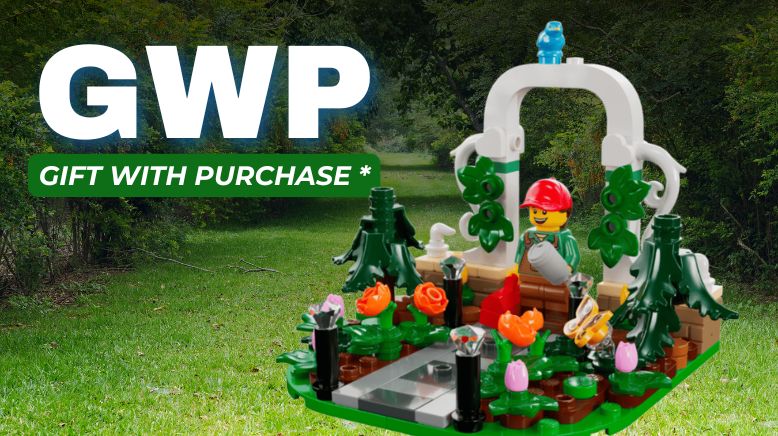
- Timed, theme-tied GWPs that reward early buyers and drive instant aftermarket premiums.
On the GWP front, there’s a clear precedent investors should understand:
- 6346098 Yoda’s Lightsaber — now around $175.
- 40483 Luke Skywalker’s Lightsaber — around $150.
- 40730 Luke Skywalker’s Lightsaber — around $120.
- 40771 TIE Fighter with Hangar Rack — the Death Star launch companion in 2025, echoing the same exclusivity model.
All four followed the same pattern: short launch window, tight eligibility, never sold separately — and rapid value creation. If LEGO applies a similar GWP strategy to Star Trek’s debut, early Enterprise buyers could see an immediate kicker to overall ROI.
The First-of-Theme Effect

Across LEGO history, inaugural releases within a new theme frequently outperform later waves post-retirement. The core dynamic is simple: scarcity plus origin status equals enduring demand. The Enterprise will be the opening chapter of LEGO’s Star Trek universe — the set completists and Trekkies will look back to when filling gaps years from now. That “issue #1” energy is hard to replicate.
Market Outlook
The Enterprise’s positioning — a $399.99, LEGO-exclusive flagship expected to debut a brand-new sci-fi theme — makes it a multi-option investment:
- Short-term flip potential: first-of-theme demand and any launch GWP can create a sharp value bump at or soon after retirement.
- Long-term strength: the more Star Trek expands (additional ships, locations, crew variants), the more collectors will anchor back to the debut. The strongest trajectory is likely a three-to-five-year hold, especially if you retain the original launch GWP alongside a sealed set.
In other words: yes, there’s a plausible near-term exit, but the real power is compounding over time as the first Enterprise becomes the keystone of a growing theme.
Final Thoughts
For a generation of fans who grew up choosing between the Force and the Federation, 2025 is the year those worlds finally converge — in brick form.
LEGO Star Wars pioneered the licensed-sci-fi investment model; LEGO Star Trek now follows with all the right ingredients: iconic source material, an exclusive flagship build, and a collector base ready to engage warp drive on day one.
Whether you collect for nostalgia or invest for returns, the USS Enterprise represents the birth of a new galaxy within LEGO’s universe — one that could, in time, stand shoulder-to-shoulder with the Empire’s finest.
Author: Tom Reynolds
Tom spent over a decade in logistics and supply chain management, giving him a natural interest in how products move through markets. His AFOL journey began when he bought a Star Wars set “for his nephew” and ended up building it himself. Hooked instantly, Tom now focuses on Star Wars, UCS models, and large-scale sci-fi builds. He loves the intersection of fandom and investment, analysing how licensing, nostalgia, and design complexity drive long-term value.
See Tom's Articles